 Hardware Retailing The Industry's Source for Insights and Information




 By Tony Corsberg
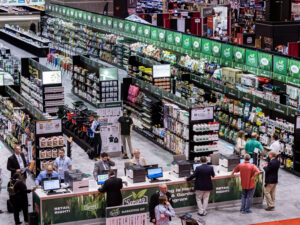
As we are entering the market buying season, I would like to offer some insights to help retailers achieve success with their market buys to benefit all segments of our independent channel. Manufacturers, co-ops and distributors invest significant effort in creating attractive buying opportunities for retailers, who are then responsible for delivering these products to end users. The following best practices are designed to streamline the journey from identifying deals to placing products on shelves, ultimately driving profitable sell-through to the end users. Making the buys is somewhat straightforward, but the success relies on effective planning, execution and follow-through by the retailer to maximize your market purchases through the door.
Key Advantages of Market Buys
Market buys provide several key advantages for retailers, including improving gross margin in dollars and percentage, providing value and savings to customers, strengthening price image and testing new items at a discount.
Improve Gross Margin
It’s obvious that buying everyday stock items at a discounted price will create increased margin percentage and gross profit dollars. Select any larger market buys to higher velocity items that are being replenished regularly. It’s important to consider how order quantities affect incoming freight handling, storage and gross margin return on inventory (GMROI). “Too much of a good thing” happens. Manage the order quantities carefully. I recommend cutting several purchase orders with staggered shipping dates with the ability to modify orders based on sell-through within the vendor’s parameters.
Provide Promotional Opportunities
Market buys as a promotional strategy requires more planning and goes beyond simply placing the order and feeling good about a “good deal”. Consider the following when making these purchases:
- Know the core selling season
- Know unit sales velocity by month in season
- Have an entry strategy
- Select the best promotional space vehicle (endcap, stackout, Wall of Values, satellite, etc.)
- Be specific with in-store locations to merchandise (fixture location code)
- Have promotional space merchandising timelines
- Consider if the item will be advertised and when
- Set a targeted sell-through date
- Have an exit strategy, just in case
This approach helps determine appropriate purchase quantities, delivery times and promotional space lifecycle, avoiding end-of-season overstock. Having a promotional space management system helps retailers manage market buys and additional special purchase opportunities throughout the year. This is an essential tool for retailers.
Strengthen Price Image
Price is one of the top three factors consumers consider when selecting a home improvement retailer. Market buys help retailers offer competitive prices to strengthen their price image. The key is to communicate these low prices through effective merchandising tactics, not just making the buy at the markets.
Test New Items
Market buys include products not stocked by the retailer, providing an opportunity to test new items at a discounted price. To make these buys successful, retailers should apply a similar thoughtful approach.
- Core selling season
- Entry strategy
- Best promotional space vehicle
- In-store location (has no home location)
- Merchandising timeline
- Targeted sell-through date
- Exit strategy
Post Market Work
The steps taken after attending the Markets could be more important than the activities during the Markets. Here are some tips for managing that process at home.
- Take notes and photos at the market to capture the vision developed in the booth or during the market
- Have a merchandising plan for all market buys
- Create a communication system to share those visions and plans with operations for a seamless execution in the store
- Have a tracking system to follow up and measure the success of those plans and those buys
The buying market season has arrived. Take advantage of these markets to boost margins, promote competitive pricing, enhance your price image, and experiment with new products. Careful planning and execution will ensure a successful transition from market purchase to in-store customer delivery.
About Tony
Tony Corsberg’s nearly 45-year career began as a stocker at Friedman Bros. Hardware in Santa Rosa, California. He eventually served as vice president of merchandising, where he spearheaded the rebranding initiative that created Friedman’s Home Improvement, which today operates four large-format home centers with lumberyards in Northern California. Tony retired from Friedman’s in 2018 and later started his consulting firm Merchant5 Advisors, guiding independent retailers in merchandising initiatives. In 2022, he was integral in the development of NHPA’s Foundations of Merchandising Management program.