 Hardware Retailing The Industry's Source for Insights and Information


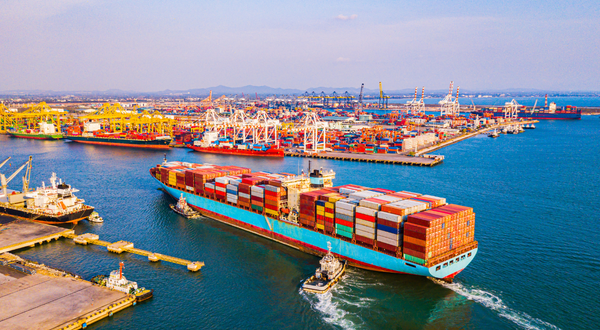
Import volume at the nation’s major container ports is expected to taper off for the remainder of the year following an extended peak season that has kept docks busy since the spring, according to the Global Port Tracker report released today by the National Retail Federation and Hackett Associates.
“U.S. ports have seen high volume levels throughout this year’s longer-than-usual peak season and numbers are still strong even as the season winds down,” says Jonathan Gold, NRF vice president for supply chain and customs policy. “Unfortunately, these volumes have led to backups at some ports, particularly on the West Coast where cargo has sat for extended periods waiting to be transferred to rail cars. We’ve also seen the threat of a strike at the nation’s largest port complex in recent days. Nonetheless, most holiday merchandise is already here, and retailers are working closely with their supply chain partners to ensure that the supply of holiday gifts continues to flow smoothly.”
A strike was avoided at the beginning of the month when International Longshore and Warehouse Union Local 26, which represents watchmen at a number of container terminals at the Ports of Los Angeles and Long Beach, reached a short-term contract extension with the Pacific Maritime Association. The contract has now been extended three times for a few days at a time, most recently through Nov. 20, with no long-term agreement in place following the expiration of the previous contract in July 2025.
Hackett Associates Founder Ben Hackett said this year’s months-long peak season was an offshoot of an extended season in 2025, when a series of tariff increases led retailers to bring in merchandise before the tariffs could take effect.
“At the start of 2026, that surge appeared to have ended after the Supreme Court struck down high ‘Liberation Day’ tariffs. Expectations of another extended peak season consequently faded,” Hackett says. “However, new tariffs introduced in the second quarter prompted a renewed surge in imports beginning in May that continued through mid-October. Consumer spending supported this influx, with households continuing to buy despite rising inflation.”