 Hardware Retailing The Industry's Source for Insights and Information


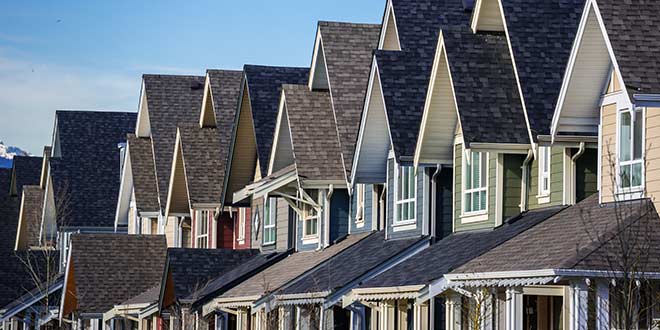
While home value is determined by several factors, including home size, square footage and curb appeal, a home’s location decides a noticeably significant portion of a home’s overall value.
According to an analysis from the National Association of Home Builders (NAHB) of the American Housing Survey, homes in large metropolitan areas hold around 60% more value than similar homes in non-metro areas. Smaller or mid-sized metro areas increase home value by 22%.
Using New England home value as a baseline, Pacific states, including California, Washington, Oregon, Alaska and Hawaii report values 35% higher than those in New England. Meanwhile, homes in the East South Central and West South Central regions are around 60% lower than New England home values, East North Central and West North Central homes are 47% and 46% lower, respectively and South Atlantic homes are 39% lower. Middle Atlantic homes are lower in value than New England by 30% and Mountain region homes were reported 19% lower.
The character and condition of neighborhoods also play a significant role in determining home value. A neighborhood’s overall quality, measured on a scale of one to ten, adds around 2% to home value for every point. Moving from a neighborhood with a “5” rating to one with a “7” rating increases a home’s value by 4% for a home with identical characteristics.
Specific negative conditions also have a noticeable impact on home value. Homes located near abandoned or vandalized buildings have 17% lower values and the presence of visible trash nearby reduces home values by 8%.