 Hardware Retailing The Industry's Source for Insights and Information



It is not an easy topic to talk about, but one every single operation will have to address at some point: succession planning.
The independent home improvement retailing channel, and independent small businesses as a whole, are undergoing a massive ownership transition right now, leaving many independent businesses at risk of closing because there is no one to operate them when the current generation retires. According to the McKinsey Institute for Economic Mobility, by 2035, about 6 million small and medium-sized businesses will face ownership transitions as baby boomers retire. McKinsey estimates that 92% of small businesses that exit end in total closure instead of a successful sale or succession.
While it’s a step in the right direction that more independent home improvement retailers are seeing the importance of succession planning for the success of not only their own Built to Last operation, but the industry as a whole, retailers need to grasp what succession planning is and what it isn’t. Many fail because they view succession as a purely financial and legal event and ignore the emotional and operational aspects of a change in ownership.
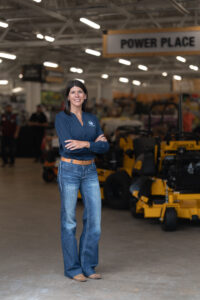 That human side of succession planning is what drives Landscapers Supply CEO Cara Cornelius to approach leadership and build her bench differently.
Cornelius says that successful succession planning protects more than the organizational chart, it protects those human elements of the operation—customer relationships, institutional knowledge, operational continuity and employee confidence.
“From an operational perspective, succession planning reduces risk,” she says. “From a cultural perspective, it demonstrates that we’re investing in our people and creating opportunities for them to grow.”
In the U.S., 2.9 million businesses are owned by people age 55 or older, with $6.5 trillion in annual revenue generated by these businesses. Source: The Silver Tsunami of Retiring Business Owners, ProjectEquity
Making an Impact
Before joining Landscapers Supply, Cornelius’ career took her through several industries, including manufacturing, supply chain, logistics, sales and executive leadership across global organizations, where she led teams through transformation, managed complex operations and had the opportunity to work internationally, including living in France for several years. In recognition of her work in the channel, Cornelius received the Top Women in Hardware & Building Supply Business Excellence award for 2026.
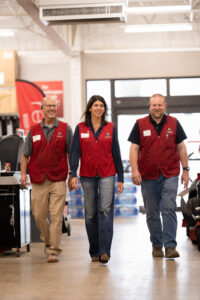 Founded in 1991, Landscapers Supply has eight locations in South Carolina and Georgia, serving the needs of commercial landscaping professionals and DIYers.
“When the opportunity at Landscapers Supply came along, I wasn’t looking for a different industry as much as I was looking for a different kind of impact,” Cornelius says. “Independent retail is unique because every decision matters. You’re close to your employees, your customers and your community. You can see the direct results of good leadership. I was excited to bring the operational discipline and leadership experience I’d developed over the past decades into a business where culture and relationships are just as important as financial performance.”
During her career, Cornelius has learned that sustainable businesses don’t rely on one great leader—they develop many—and that successful succession relies on those leaders. If a company is serious about building a business that lasts for generations, developing future leaders has to be one of its highest priorities.
 “Succession planning isn’t about replacing people. It’s about ensuring the organization has the talent, knowledge and leadership capacity to continue growing regardless of what changes come our way,” she says. “I’ve learned that succession planning isn’t an HR exercise—it’s a leadership discipline. The best organizations intentionally prepare people for opportunities before those opportunities exist.”
Cornelius believes the conversation changes when you view succession planning as career development instead of replacement planning. Every leader in an organization should be looking to whom they are developing and helping become ready for the next opportunity.
“The greatest compliment a leader can receive is seeing someone they mentored reach their full potential. That’s not losing talent—that’s multiplying it,” Cornelius says. “When leaders develop others, they strengthen the entire organization while creating meaningful opportunities for individuals to reach their potential.”
At Landscapers Supply, development is intentional. Each spring, the leadership team dedicates time during a manager meeting to review every associate in the company, discussing each person’s strengths, future potential, development needs and what experiences, skills or training they need to prepare for their next role. These conversations help ensure that leaders are actively investing in their growth.
The company’s ICARE values, which include Integrity First, Committed to People, Accountability Mindset, Results Driven and Exceeding Expectations, are at the center of its culture and leadership philosophy and help define how leadership identifies talent, develops leaders and assesses performance.
Cornelius and the leadership team at Landscapers Supply believe employees deserve clear expectations, honest feedback, coaching and support. She believes that accountability should never feel punitive, but should feel like coaching.
“When employees know you’re investing in their future, succession planning becomes one of the most human things you can do,” Cornelius says. “It communicates confidence, creates opportunity and demonstrates a genuine commitment to helping people build meaningful and successful careers.”
Growth in Action
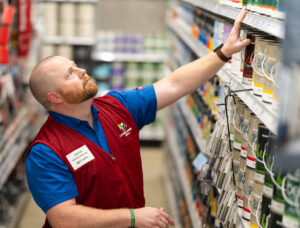 Cara Cornelius shares the story of Adam Freeman as a prime example of an employee growing into a leadership role. Freeman served as the store manager of the Easley, South Carolina, location, where he developed deep expertise in hardware, parts, inventory and customer service. Through his leadership and strong understanding of the business, it became clear that his knowledge could have an even broader impact across the organization, Cornelius says.
As a result, Freeman was promoted into a support center role focused on category management and inventory management for hardware and parts across all Landscapers Supply locations. In this position, he works closely with supplier partners to ensure products are available, inventory is managed effectively and the stores have the resources they need to serve customers successfully.
Career growth does not always mean moving up within a single department—it can also mean expanding an individual’s influence and responsibility across the entire organization. Freeman has moved from managing one location to helping shape hardware and parts strategy for all the stores, allowing him to leverage his expertise on a much larger scale.
“Adam’s story demonstrates our commitment to recognizing talent, creating meaningful opportunities for growth and placing people in positions where they can make the greatest impact,” Cornelius says. “It’s a great example of how investing in employees can strengthen both the individual and the organization as a whole.”
Next in Line
It’s clear that people are key in the succession planning process, but first comes developing those people in your business to assure they are prepared for what’s next. “Building a bench” is more than just an operational buzz phrase, it’s a crucial component to any succession plan.
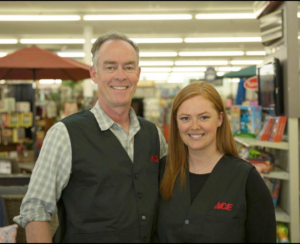 Haley Chapel, COO of Timberline Ace Hardware with five locations in Montana, is part of the bench her father is building as part of the company’s succession plan. She joined the family business after graduating from college, but wasn’t fully sure what she wanted to do. Her father offered her a marketing position, which she was hesitant to accept because she hadn’t pictured herself moving home, let alone working in the business. Since then, her role has evolved from marketing into absorbing human resources responsibilities, and about three years ago she moved into the COO role as the business went from three locations to five.
“There really wasn’t a formal process when I joined: My dad gave me an offer letter. I came in without a ton of experience, and I was given a pretty long leash to learn on the fly,” Chapel says. “I think that opportunity to learn, make mistakes and grow with the business was really valuable.”
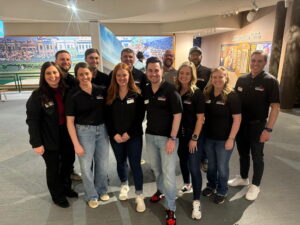 Those experiences also guide Chapel in how she grows leaders in the company. She believes the company’s culture is the biggest driver of its success, and the leadership team leans heavily into culture when developing and evaluating leaders. They look at two main areas when holding performance and development conversations: competency in the role and alignment with core values.
For competency, Chapel says the team identifies the five main responsibilities of the role and evaluates three simple areas: Do they get it? Do they want it? And do they have the capacity to do it?
Each potential leader is then evaluated based on the company’s three core values: Own It, Be a Great Teammate and Go the Extra Mile. The leadership team looks at whether they demonstrate each value most of the time, some of the time or rarely. Employees complete the same evaluation for themselves, which creates a useful coaching conversation, Chapel says.
“This process allows us to point back to shared values rather than making everything about an isolated behavior,” Chapel says. “It also gives us a consistent way to recognize people who are doing a great job. When we’re looking for future leaders, the people who consistently exemplify those core values are the people who stand out. Our values came from identifying the characteristics we admire most about our top people and simply cannot live without.”
The team at Timberline Ace also invests heavily in leadership development and has sent several leaders through FranklinCovey leadership training.
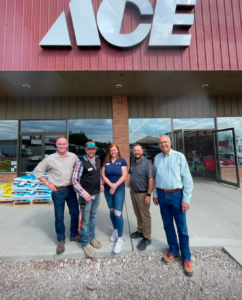 As the bench grows, Chapel says developing store managers professionally and personally is especially important because they are the lifeline of each store. Last year, she hired someone to work individually with each of the store managers for six months. Employees could use that consultant however they felt would serve them best.
“Those conversations stayed confidential, and we didn’t receive detailed reports back, but the managers themselves shared how impactful the experience was,” Chapel says. “It was really incredible to see in action how they showed up, how some of their relationships flourished and the time they started investing in themselves for fun and fulfillment outside of work.”
Chapel recognizes that one challenge with developing high-potential employees is that you also have to create somewhere for them to grow.
“We’ve tried to get creative by creating additional areas of responsibility—B2B champions, inventory coordinators, key holders, training coordinators, head cashiers—so people can continue to stretch themselves, take ownership and see a future within our company even if a store manager position isn’t immediately available,” Chapel says.
At Timberline Ace Hardware, empowering employees to become leaders starts by trusting them.
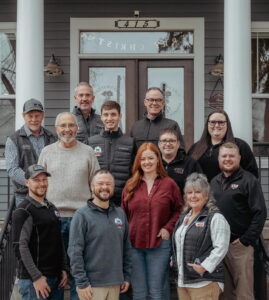 Employees are given autonomy, responsibility and the freedom to make mistakes so they can learn from those mistakes and grow.
Leadership at Timberline also empowers employees by being transparent with financials and regularly sharing numbers with leaders. Chapel and her team explain how and why they make decisions instead of just handing down decisions from the top so managers and associates can understand the business behind the business. They also allow leaders to treat their stores like their own business, intentionally using language that feeds into the leadership mentality, a precedent Chapel’s father set that she follows in lockstep. Chapel doesn’t walk into one of the locations and call it “her store,” but rather, when talking with an associate, she’ll call it “your store.”
“They are the rubber that hits the road. We have nothing without the people in our stores taking care of customers, leading teams and representing our company every day,” Chapel says. “Making sure they feel genuine ownership, responsibility and pride in what they do matters tremendously.”
Stewards of Leadership
To identify high-potential employees at Landscapers Supply, Cornelius pays attention to how people think, not just what they do. She believes that high-potential employees are curious, ask thoughtful questions, take ownership, solve problems and consistently look for ways to improve the business.
“They don’t wait to be told what to do, they look for opportunities to contribute. Just as importantly, they demonstrate the behaviors reflected in our core values,” she says. “Technical skills can be taught; character, leadership mindset and values alignment are what separate future leaders.”
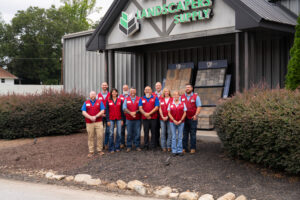 Future leaders at Landscapers Supply must demonstrate integrity, emotional intelligence, resilience, accountability and humility, Cornelius says. They also must create trust, communicate clearly, make thoughtful decisions and elevate the people around them. The company’s strongest leaders consistently demonstrate the values in how they serve customers, support teammates and make decisions.
“Leadership isn’t about having all the answers,” she says. “It’s about creating an environment where people can do their best work and achieve exceptional results together.”
Building a bench across multiple locations has its challenges, but Cornelius says establishing common expectations while giving local leaders the flexibility to lead their teams in ways that fit their markets helps create consistency. Offering opportunities for cross-functional learning and mentoring across locations and exposing employees to different parts of the business are also important.
“Ultimately, we want leadership capability throughout the organization, not concentrated in a handful of people,” Cornelius says.
When building a bench of leaders, it’s also crucial to show the career paths that the independent channel offers. Cornelius says that because of the nature of independents, careers don’t have to follow a rigid structure. Employees can grow through expanding responsibilities, cross-training and leadership opportunities that align with their strengths.
“Sometimes the next step isn’t a different title—it’s a broader impact,” she says.
When it’s all said and done, Cornelius says she wants to leave the business better than she found it. For her, that means building systems that endure, developing future leaders and reinforcing the core values that define who we are as an organization.
“Success isn’t measured solely by growth; it’s measured by whether we’ve created a stronger culture, stronger people and a stronger company than the one we inherited. That will position the company for long-term success,” Cornelius says. “If, years from now, Landscapers Supply has an even stronger culture, deeper leadership bench and greater impact because of the work we’re doing today, then I’ll consider that success.”