 Hardware Retailing The Industry's Source for Insights and Information


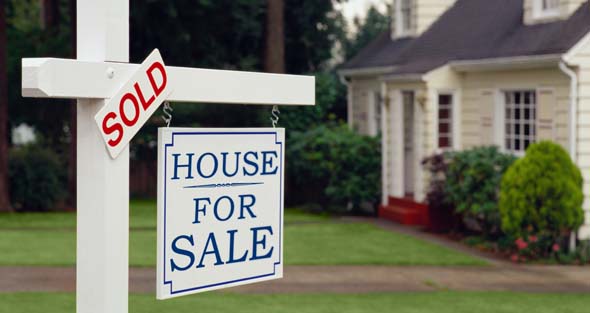
According to a new study conducted by the National Association of Home Builders (NAHB), regulations at the federal, state and local levels have added $131,734 to the cost of a new single-family home, 26.4% of the average sales price of $499,500 as of January 2026.
The study revealed that $84,939 of the final house price is the result of costs incurred by the builder due to regulation during the construction phase of the home, while $46,795 is attributable to regulation during land development.
“This study illustrates how excessive regulation is deepening the nation’s housing affordability crisis and making it harder for builders to deliver the affordable, attainable housing that our nation sorely needs,” says NAHB chairman Bill Owens, a homebuilder and remodeler from Worthington, Ohio. “Policymakers should remove unnecessary and costly regulations that are pricing buyers out of the market and slowing construction of new homes and apartments.”
Although the share of regulation in the land development phase fell from 10.5% in 2021 to 9.4% in 2026, the construction phase increased by nearly four percentage points, rising from 13.3% to 17.0%, largely because of higher building permit fees and changes to building codes over the past decade. Based on U.S. Census home price data, regulatory costs for the average new home increased from $93,870 in 2021 to $131,734 in 2026—an increase of more than 40% in about five years.